
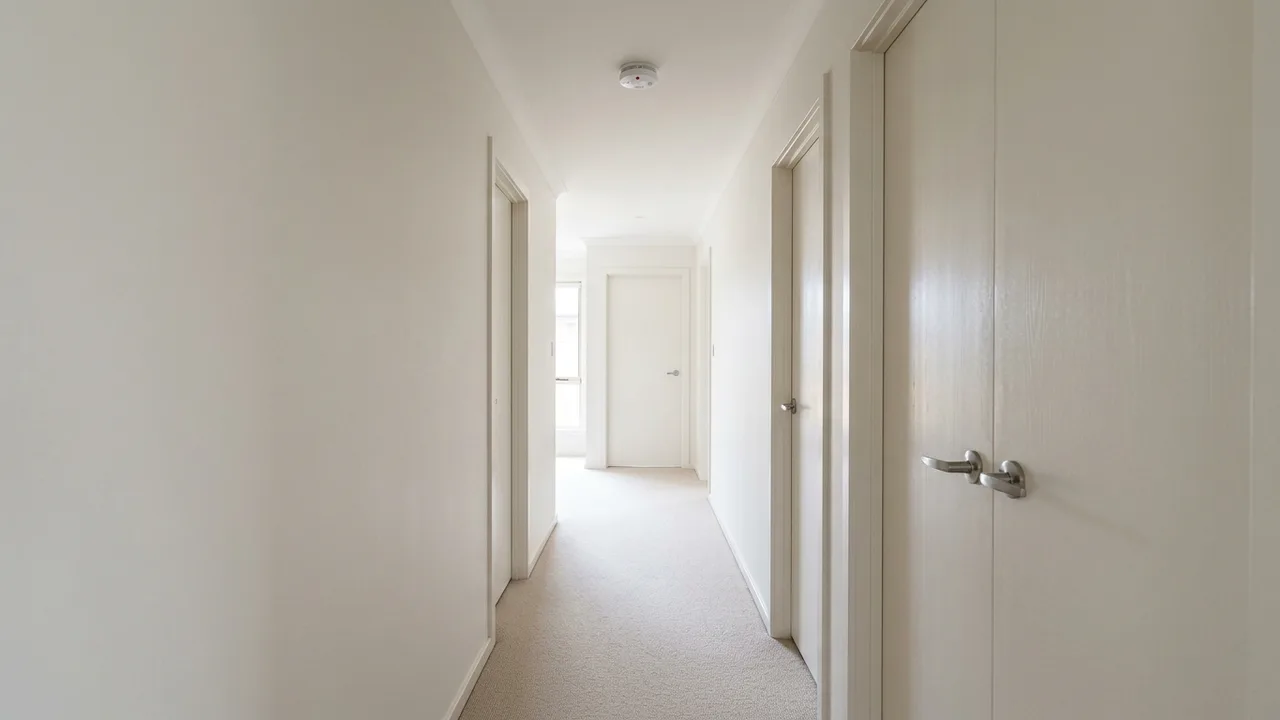
Illustrative finished bedroom with a fitted smoke alarm

Define the Electrical Job

Smoke-Alarm Installation in Ipswich

Preparing a rental, selling a home or checking the 2027 deadline? Check the requirements for that dwelling and note which alarms are fitted, how they are powered and where they are positioned. Mains-powered (240-volt) smoke alarms must be connected by a licensed electrician; compliant battery-powered options can apply to some existing dwellings.

Decide what the dwelling needs

The first decision is not simply how many new alarms to buy. An owner preparing a rental, a person selling a home and an owner-occupier checking the final compliance deadline may be starting from different obligations. Queensland Fire Department guidance explains the requirements for those situations, including where the requirements already apply.

For an Ipswich installation enquiry, describe the property's use and what you already know about the alarms. A useful description distinguishes an existing mains-powered (240-volt) unit from a battery-powered unit and notes whether the household has an interconnected system. If you do not know, say so rather than removing an alarm or opening an electrical connection to find out. Assessment should establish the arrangement before equipment is specified.

Interconnected photoelectric smoke alarms

Interconnection means the alarms operate together rather than relying on someone hearing a single device in another part of the home. Wired and wireless technologies can both provide interconnection where the system meets the applicable requirements. An interconnected installation does not automatically mean that new wiring must be run between every alarm.

Ask the installer to explain how the proposed equipment will work with the existing arrangement. This matters when you are adding alarms to an older installation or replacing only some units. Choosing products independently can leave compatibility questions unresolved. A coherent scope identifies the alarm types, locations, power arrangements and interconnection, rather than treating every unit as a separate purchase.

Existing mains-powered (240-volt) alarms

Mains-powered (240-volt) smoke alarms connect to the electricity supply and must be connected by a licensed electrician. Do not assume that an existing mains-powered (240-volt) alarm can be replaced with a battery-only unit. Check the requirements for the dwelling and discuss the proposed replacement with the electrician before purchasing equipment.

Non-removable ten-year batteries

Some existing dwellings can use compliant alarms powered by non-removable ten-year batteries. That is different from assuming any battery-operated alarm is suitable. The dwelling's circumstances and existing alarm power type still matter. Ask which option meets the applicable requirements and how the proposed alarms will be interconnected.

Bedroom and hallway coverage

Required locations include bedrooms, the routes connecting them and each storey. The actual layout determines the placement questions. Describe the number of storeys and the relationship between bedrooms and hallways, then have the layout checked against current Queensland Fire Department guidance and the manufacturer's installation instructions.

Replacement age and equipment standards

The Queensland requirements address alarm type, compliance with the relevant standard and age as well as interconnection and placement. Replacing one expired device is not necessarily the entire compliance scope. Ask the installer to consider the system as a whole and explain what needs changing, what can remain and why.

Plan Smoke-alarm installation with a Licensed Electrical Contractor

  1. 01

    Describe the dwelling

    State whether the job concerns an owner-occupied home, rental or sale.

  2. 02

    Check existing alarms

    Share known power and interconnection details without opening electrical connections.

  3. 03

    Agree on the system

    Ask the installer to explain positions, equipment and any mains-powered (240-volt) work.

  4. 04

    Understand the handover

    Keep product instructions and the applicable electrical testing certificate where electrical work was done.

Scope, Decisions and the Electrical Testing Certificate

Understand the January 2027 deadline

The final Queensland compliance deadline is 1 January 2027. Requirements already apply to dwellings being sold, rented or re-rented. The practical question is therefore which obligations apply to your property now, rather than whether every owner can wait until the final date.

Use the current Queensland Fire Department smoke-alarm FAQ as the starting point. If you are a landlord, discuss the installation and testing arrangements with the managing agent as well as the installer. Landlord and tenant responsibilities differ; do not assume that arranging an installation settles all future testing responsibilities.

Set out the installation scope

Begin by identifying the dwelling situation: owner-occupied, rental-related or a sale. Explain the existing alarm arrangement where it is known, including recent replacements. Ask for an assessment of the positions and interconnection before agreeing to a list of products. The resulting quote should distinguish equipment from any electrical work required to fit it.

Clarify whether the contractor will be changing mains-powered (240-volt) connections, replacing compatible alarms or installing a different compliant arrangement. If access to upper ceilings or several rooms needs organising, discuss that before the appointment. These details affect the actual job; they are more useful than assuming the scope from the home's postcode or an online package name.

After the work, keep the product information and applicable electrical testing documentation with the property records. Ask the installer to show you the equipment's testing arrangements and explain the manufacturer's instructions. A clear handover helps householders and property managers know what has been fitted and how to maintain the arrangement.

Questions for a licensed electrical contractor

Where electrical work is involved, check the business electrical contractor licence through the official Queensland search. Ask who is responsible for the mains-powered (240-volt) work and which certificate applies when it is finished. The alarm product, installation scope and electrical contractor are separate things to understand before agreeing to work.

If you are comparing proposals, compare the actual alarms, positions, interconnection and electrical work included. A lower figure may cover a different arrangement. Ask the installer to explain how the proposal meets the requirements for your dwelling rather than relying on a general statement about a compliance package.

Smoke-alarm installation Questions

Which rooms need smoke alarms?
Required locations include bedrooms and the routes connecting them, with requirements on each storey. The precise layout and positioning should follow current Queensland Fire Department guidance and the alarm manufacturer’s instructions.
Must smoke alarms be connected by new wiring?
Alarms can be interconnected using wired or wireless technology where the system meets the requirements. Mains-powered (240-volt) electrical connections need a licensed electrician; an assessment should consider the existing alarm type and layout.
Who is responsible for smoke alarms in a rented home?
The landlord is responsible for installing compliant alarms. Landlord and tenant testing responsibilities differ; consult the Queensland Fire Department guidance and discuss the property’s arrangements with the managing agent.
When do the final Queensland smoke-alarm requirements apply?
The final compliance deadline is 1 January 2027. Requirements already apply to dwellings being sold, rented or re-rented. Check the official guidance for your dwelling and existing alarm arrangement rather than assuming the deadline is your only obligation.
Are battery-powered smoke alarms still allowed?
Some existing dwellings can use compliant non-removable ten-year battery alarms. Mains-powered (240-volt) alarms and new or substantially renovated dwellings have different requirements. Do not replace an existing mains-powered (240-volt) alarm with a battery-only unit without checking the applicable rules.

Smoke-alarm installation: Ipswich Location Guide

Read the Ipswich notes, then describe the dwelling use, known alarm arrangement and access for the particular installation.

See all locations ->

Send your Ipswich suburb, the dwelling situation and any known alarm details. Include whether you are checking an existing system or planning replacements. For a fire or immediate danger, call 000 rather than sending an ordinary job enquiry.

Talk to a specialist

Arrange a non-urgent alarm assessment

Use the planner to record the dwelling situation and known alarm details. Ask a licensed installer to check the applicable requirements and proposed models together.

Call now