
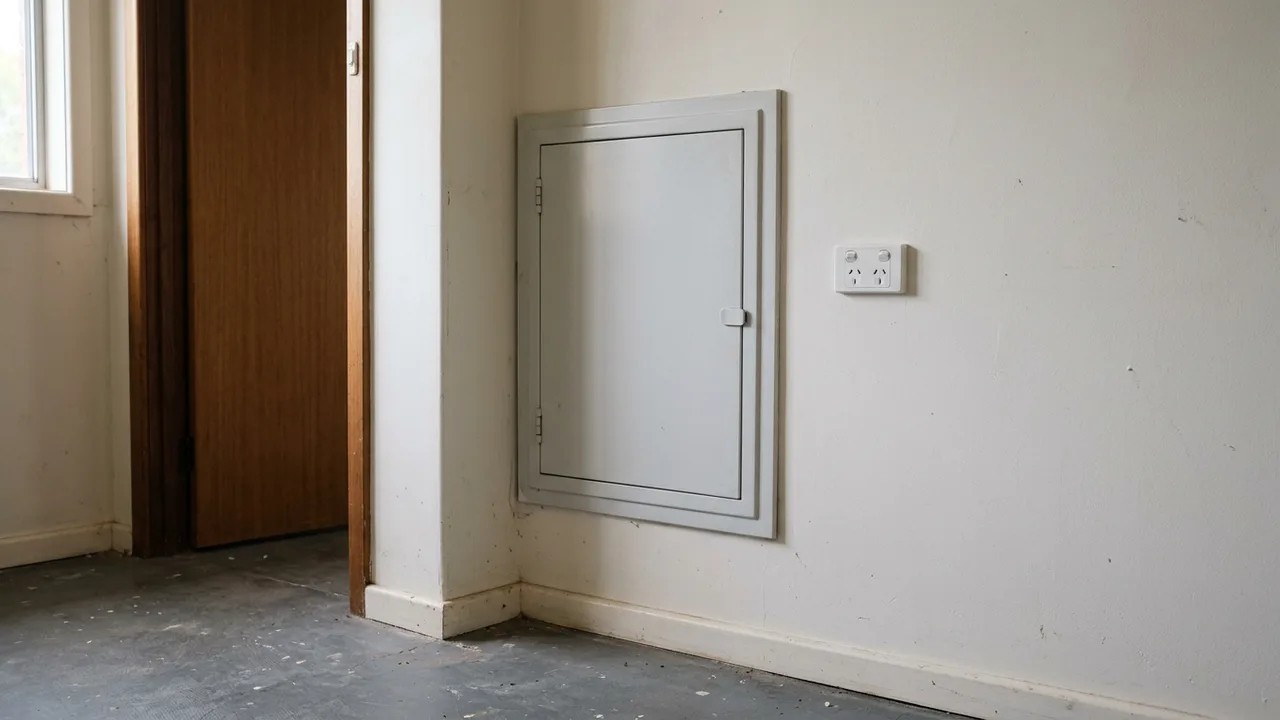
Illustrative finished home with closed electrical fittings

Define the Electrical Job

Electrical Repairs and Fault Finding in Ipswich

A fridge that keeps tripping protection, a dead power point or lights that suddenly stop working need the cause investigated before a repair is chosen. Describe what happened and arrange a licensed assessment for non-urgent work. For fire, electric shock or immediate danger, call 000 and keep clear of damaged equipment.

When a symptom needs investigation

Replacing an appliance does not always end repeated tripping. A homeowner may reasonably suspect the fridge after the kitchen loses power, yet the sequence alone cannot establish whether the problem is in an appliance, an outlet or another part of the installation. The useful first step is to describe the symptom rather than commit to replacing a part.

For an Ipswich electrical enquiry, explain what stopped working, when you first noticed it and whether the problem has happened before. Include anything already known about the job, such as a recent fitting change, without carrying out another electrical experiment to gather information. A contractor can then discuss the appropriate assessment. If the problem is happening now and presents immediate danger, the ordinary enquiry form is not the next step.

Fault finding before electrical repairs

Investigation and repair are related but different parts of the job. Fault finding establishes what is causing the problem; repair addresses what the electrician finds. That distinction matters when comparing a quote for replacing an outlet with a quote that includes investigating why it failed. Ask which parts of the assessment, materials and testing are included before agreeing to work.

Ask a licensed electrician to assess the existing wiring, protective devices and planned changes before deciding whether repairs, additional protection or work on the switchboard (which distributes electricity to circuits) is needed. For an outlet that no longer works, ask a licensed electrician to investigate before agreeing to a repair. The electrician's assessment should determine the scope. Keep the request centred on the observed problem and ask the contractor to explain the proposed remedy in everyday language.

Repeated protective-device tripping

Tell the contractor whether the same device has tripped more than once and what you observed immediately beforehand. Do not repeatedly reset protection that trips again. A safety switch (a device that detects current leakage) responds to current leakage, whereas a circuit breaker (a device protecting against excessive current) protects wiring and equipment against excessive current; some devices combine these functions. Understanding that difference helps you follow the electrician's explanation without treating a switch position as a diagnosis.

An outlet or light that has stopped working

Describe the location and the fitting, including whether it is an existing item or something recently installed. Leave covers and fixed wiring alone. Queensland electrical work requires the appropriate licence, including power-point and light-switch work. You can explain the failure without opening the fitting or following online wiring instructions.

Supply loss affecting a wider area

An outage and a fault inside a home need different responses. Where the problem may involve the electricity network, use the appropriate Energex outage or emergency channel. Fallen powerlines and immediate danger need emergency action; do not approach damaged network equipment. A household repair enquiry should not delay that response or be treated as an emergency dispatch service.

Testing and completion paperwork

Ask the contractor what testing applies to the completed work and which certificate will be supplied. Queensland contractors must issue the applicable testing and safety or testing and compliance certificate. Keep that document with the property records so the completed scope and contractor details are available later.

Plan Electrical repairs and fault finding with a Licensed Electrical Contractor

  1. 01

    Record the symptom

    Describe what failed and when it happened without repeating tests on damaged equipment.

  2. 02

    Separate investigation from repair

    Ask what assessment is included before choosing a replacement.

  3. 03

    Agree on the remedy

    Have the electrician explain findings and any change to the quoted work.

  4. 04

    Keep the work record

    Confirm the applicable electrical testing certificate for the completed repair.

Scope, Decisions and the Electrical Testing Certificate

Agreeing on a clear repair scope

Start with a description of the fault and your suburb. Discuss whether the contractor needs to investigate before they can give a repair price. Ask for the agreed scope to distinguish assessment from any subsequent replacement or wiring work. When the assessment changes the proposed job, make sure you understand the revised work and price before it proceeds.

This is particularly useful when the original request sounded small: one dead outlet, a light that flickers or a device that trips only occasionally. The number of visible fittings is not enough to establish the labour needed. A written scope helps you compare what is being offered rather than comparing two figures that cover different work.

Questions for a licensed electrical contractor

Check the business electrical contractor licence through the official Queensland Electrical Licence Search before agreeing to work. An individual electrical worker licence and a business contractor licence serve different purposes. Ask which business is responsible for the job and keep its details with the quote and certificate.

If you are worried about unnecessary replacement, ask what the investigation established and why the proposed repair follows from it. If disruption matters, discuss what parts of the home the work may affect and any access arrangements before the appointment. Those answers should come from the contractor assessing the installation, rather than an assumption based on the symptom.

For protective devices, consult the Electrical Safety Office's safety-switch guidance. For a planned capacity or protection change, compare the separate switchboard (which distributes electricity to circuits) upgrade information. A fault investigation should resolve the current problem; a larger upgrade needs its own justified scope.

Electrical repairs and fault finding Questions

What are the risks of doing electrical repairs myself?
Queensland electrical work needs the appropriate licence. Leave wiring, power-point and light-switch work to a licensed electrician rather than attempting a repair or following online wiring instructions.
Why does the safety switch trip when I plug in the fridge?
Different causes can produce tripping, so the symptom does not prove the fridge or outlet is the fault. Stop using damaged equipment and arrange licensed assessment; do not repeatedly reset protection or attempt wiring repairs.
Should I receive a certificate after electrical work?
Queensland contractors must provide the applicable testing and safety or testing and compliance certificate after work. Ask which certificate applies, keep a copy and check that it describes the completed work. An invoice can serve as the certificate when it includes all required information and the appropriate certification statement.
What if the safety switch will not reset?
A fault may need an electrician to inspect and repair it. Do not keep resetting a device that trips again. If there is fire, shock or immediate danger, call 000 rather than sending an enquiry.
How much does it cost to replace a power point?
Ask the contractor to price the actual job, including investigation and any necessary wiring work. For an outlet that no longer works, ask a licensed electrician to investigate before agreeing to a repair. Leave covers and fixed wiring alone.

Electrical repairs and fault finding: Ipswich Location Guide

For a fault at an Ipswich property, note the actual suburb, affected fittings and any access arrangements before discussing investigation.

See all locations ->

Send the observed symptom, your Ipswich suburb and any already-known fitting or renovation details. Keep the description practical: what failed, how often it happened and what work you want assessed.

Talk to a specialist

Describe the non-urgent fault

Use the planner to record the failed fitting, timing and recurring symptoms. Ask a licensed electrician whether the quote begins with fault investigation.

Call now