
Electrical Questions for Ipswich Homes
Use these questions to prepare a job discussion, compare a proposed scope and identify what needs assessment. The answers cover price questions, fitting changes, fault finding, protection, smoke alarms and completion records. They provide a starting point for the actual property rather than a diagnosis, fixed price or confirmation that a contractor can attend.
You do not need a technical explanation before describing a problem. Record what you have observed or what you want changed, list the rooms and fitting counts, and keep known access details together. Where equipment has already been chosen, ask the contractor to assess its suitability. For fire, electric shock or immediate danger, call 000; do not wait for a response to a non-urgent enquiry.
A safety switch is a device that responds to current leakage. A circuit breaker is a device that protects wiring and equipment against excessive current. Mains-powered (240-volt) smoke alarms connect to the electricity supply and must be connected by a licensed electrician. These distinctions help you follow the questions below; they do not diagnose the property.
Prices and Job Scope
Compare what is included before comparing the total. A requested fitting count is a description of the job, not a labour estimate. An investigation can also be a separate first step from replacement work. Ask whether the quote includes the equipment, access work, testing and any call-out charge, then keep those inclusions alongside the price. If you supply a fitting yourself, ask how suitability will be assessed and which parts of the installation remain in the contractor’s scope. Availability and attendance need their own confirmation; a price enquiry is not a booking. These questions help you identify the information still needed for a useful written quote.
How much does an electrician cost in Ipswich?
How much does it cost to replace a power point?
How much does it cost to change downlights?
What does ceiling-fan installation cost?
When do the final Queensland smoke-alarm requirements apply?
Fittings, Fault Finding and Replacement
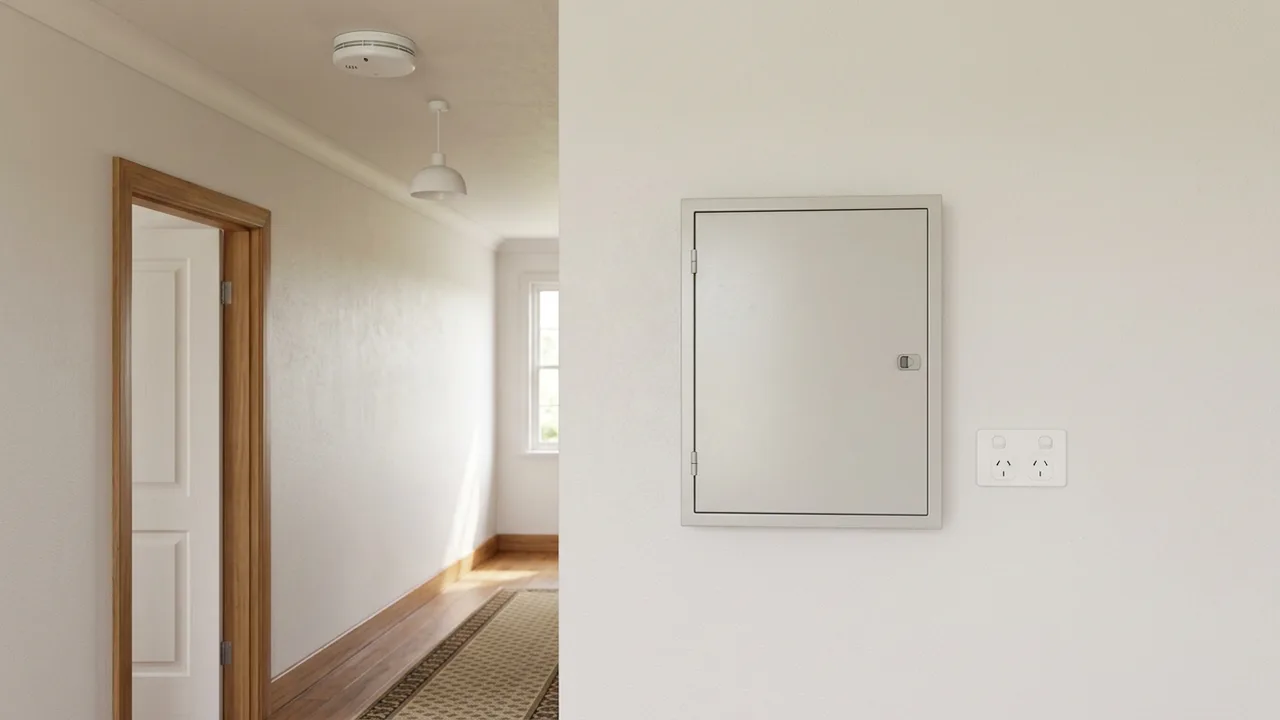
Start with the observation or change you want, rather than a diagnosis. Note which rooms and fittings are involved, whether positions already exist and which equipment has been selected. If a fitting no longer works, describe the symptom and leave the cause for investigation. A switchboard (which distributes electricity to circuits) question, fan replacement and smoke-alarm enquiry each need different details. Keep any proposed installation separate from the work needed to establish what is suitable. Use the relevant service guide for the fitting-specific discussion, and ask the contractor to explain what remains uncertain until the property is assessed.
Can a fan go where my ceiling light is now?
How can I tell whether the switchboard needs upgrading?
Must smoke alarms be connected by new wiring?
Electrical Safety and Compliance
Use these answers to identify the questions for the responsible electrician and the official guidance to read. The circumstances of a dwelling matter, especially when discussing smoke alarms or proposed changes to an existing installation. Mains-powered (240-volt) smoke alarms connect to the electricity supply and must be connected by a licensed electrician. Confirm which requirements apply to the actual property and ask for the completion records relevant to the work performed. Keep the contractor’s business details with the written scope so you know who is responsible. General explanations of safety switches, circuit breakers and alarm systems do not establish that a particular installation complies or that a fault is safe to leave. For fire, electric shock or immediate danger, call 000.
What are the risks of doing electrical repairs myself?
Do I need protection on more than one circuit?
Are circuit breakers and safety switches different?
Why does the safety switch trip when I plug in the fridge?
What if the safety switch will not reset?
How can I check a Queensland electrician’s licence?
Should I receive a certificate after electrical work?
Does adding a power point require a licensed electrician?
Who is responsible for smoke alarms in a rented home?
Are battery-powered smoke alarms still allowed?
Which rooms need smoke alarms?
Arranging the Work in Ipswich
Keep location, access and coordination details together. A broad city name does not identify the actual property or confirm that a contractor can attend it. Record the suburb and postcode, note any tenancy arrangements and describe access that is already known. If a renovation involves other work, ask how the electrical scope will be coordinated before agreeing to dates. Bring the same written job description to each quote discussion, and keep changes to it clear. The preparation tools on this site organise your own information; the contractor still needs to assess the work and confirm the arrangements directly with you.
Who supplies the electrical testing certificate?
Can electrical work be arranged for an older Ipswich home?
Can an electrician help while I renovate the house?
Keep Questions for the Licensed Electrical Contractor Together
For the next conversation, separate three things: what you know, what you want done and what still needs investigation. For example, an outlet that has stopped working is an observation; adding an outlet elsewhere is a different requested change. Keeping the two requests separate makes it easier to ask what the first assessment covers and how any later installation would be quoted.
Use the scope planner to collect the actual suburb, fitting details, positions and equipment-supply questions. Its summary reflects your answers and adds a fitting-specific question. Use the checklist to record preparation and documentation checks. You can print both locally with your browser; they do not send a report or replace the contractor's assessment.
When comparing written proposals, check the same job description is being priced. Ask how changes discovered during investigation would be explained and agreed, and keep the final scope with the completion records. The service guides add detail for each type of work, while the Ipswich guide helps flag local context that applies to the actual address.
For current official information, read the Queensland Electrical Safety Office guidance and the Queensland Fire Department smoke-alarm guidance. Read the source in relation to the property and proposed work, and ask the responsible contractor to explain applicable requirements.